 How-to
How to Plan a Dog Photo Session Around Your Dog's Routine
Last Updated: November 24, 2026
Quick Summary
Plan a dog photo session around your dog's daily routine by starting from when your dog is calm, rested and not hungry. Aim for a window about 60 to 90 minutes after a meal and 20 to 40 minutes after a walk, and avoid the hour before a nap.
- Write down a normal weekday to map wake-up, meals, walks, naps and bathroom breaks.
- Schedule the session roughly 60 to 90 minutes after your dog's normal meal.
- Call a break at the first signs of tiredness, such as yawning or lip licking.
- Plan a short rest every 15 to 20 minutes of active shooting, plus potty breaks every 45 to 60 minutes.
- Pack a leash, familiar treats, water, poop bags, a favorite toy and a brush.
Table of Contents
- Mapping Your Dog's Daily Routine Before You Book
- Choosing the Best Time of Day for Dog Photography
- How Long a Dog Photo Session Takes and How to Plan Breaks
- Preparing Your Dog and Packing the Dog Photoshoot Checklist
- Frequently Asked Questions
Mapping Your Dog's Daily Routine Before You Book
Planning a dog photo session starts with your dog's day, not the calendar. A dog fed, rested and exercised at predictable times tends to settle more readily in front of the camera. Aim for the window when your dog is calm, not just awake.
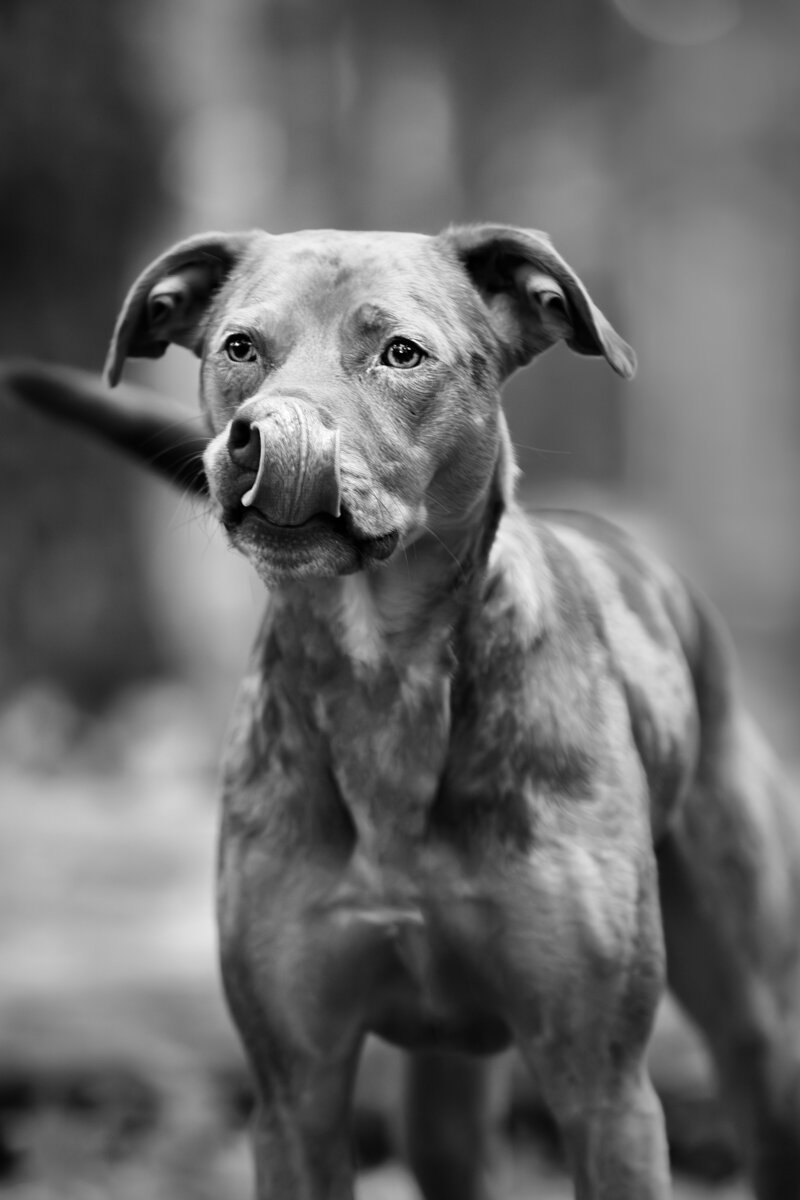
Write down a normal weekday: wake-up, meals, walks or play, naps and bathroom breaks. Many dogs are most relaxed shortly after a walk and a meal, when energy has settled but they are not tired. A young, energetic dog may need a long run first; a senior dog may need a quiet morning and frequent rest.
Choosing the Best Time of Day for Dog Photography
The best time for a dog photo session is when your dog is calm, rested and not hungry. Work backward from your dog's usual rhythm.
Build the window in four steps:
- Start from the meal. Pick a time roughly 60 to 90 minutes after your dog's normal meal. Browse the outdoor locations and sessions to see how timing fits different settings.
- Add the walk. Schedule after your dog's regular walk or play, once the initial excitement wears off, most dogs have a calm stretch 20 to 40 minutes after exercise ends.
- Protect the nap. Avoid the hour before your dog's usual nap and never wake a dog mid-nap to head out.
- Check the light last. If your routine-based window doesn't line up with soft morning or late afternoon light, shift by 30 to 60 minutes, not hours.
Feeding and water timing. A dog who eats right before a session may be slower and heavier. If your dog gets an upset stomach with activity, keep the pre-session meal light and move the full meal to after. Offer water normally but avoid a large drink right before you start.
Indoor versus outdoor timing. Outdoor sessions depend on light and temperature as much as routine. In hot weather, aim for early morning; in cold weather, aim for the warmest part of the day and keep sessions shorter. Indoor sessions still need to respect the routine window, a studio session at nap time produces the same sleepy dog.
Watch out: don't let perfect light override your dog's routine. A golden-hour slot that lands mid-nap or three hours past dinner usually produces worse photos than flat light at the right time.
Explore our session options to see how timing fits different settings.
Timing guidelines for dog photo sessions
How Long a Dog Photo Session Takes and How to Plan Breaks
Sessions are paced around your dog, so they run as long as your dog settles, explores and relaxes comfortably. Length depends on age, temperament and location, but always include a built-in stopping point and a reset routine.
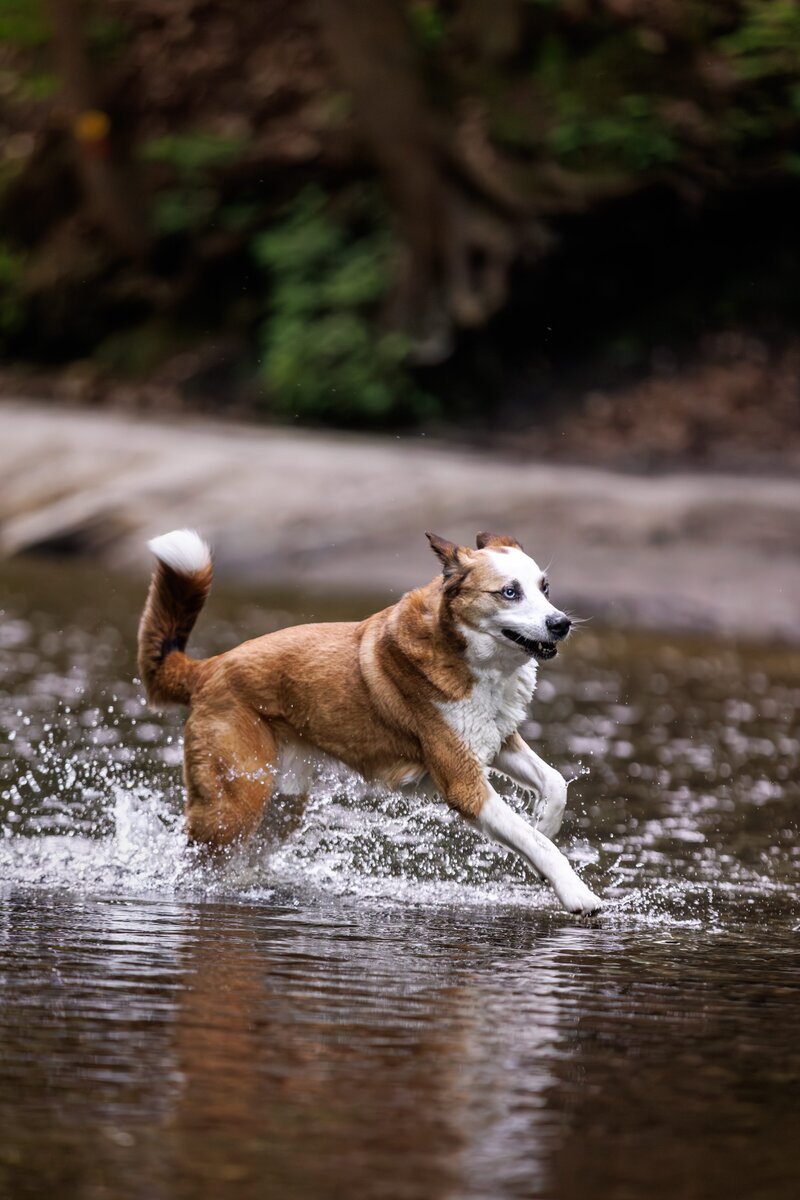
Signs your dog needs a break. Call a pause the moment you see these, rather than waiting for the behavior to escalate:
- Lip licking, yawning or turning the head away
- Stiff posture, tucked tail or flattened ears
- Refusing treats that were eagerly accepted earlier
- Losing focus and scanning the environment
- Lying down unprompted or lagging on position changes
The reset break. Move your dog to a quiet spot, offer water, let them sniff and eliminate if needed, and give a few minutes of low-key praise or a chew. If they come back alert and interested, continue; if not, take a second reset or wrap up.
Plan breaks into the timeline. Build a short rest every 15 to 20 minutes of active shooting, plus a potty break every 45 to 60 minutes. Puppies and senior dogs need shorter stretches, often 10 minutes of shooting followed by a longer rest, while a fit adult dog may handle 20-minute stretches.
When your dog tires. Have a contingency ready: trim the shot list to the three or four images that matter most, switch to low-energy poses like sitting, lying down and close-up portraits, use a familiar toy or blanket to help your dog settle, and set a hard stop, if your dog has had two resets without re-engaging, end the session and plan a follow-up.
Watch out: pushing past tiredness usually produces stiff, unhappy photos, and a dog who has a bad experience may be harder to photograph next time.
Keep these questions in mind as you plan your session. Find answers about session length, preparation and logistics on the FAQ page.
Preparing Your Dog and Packing the Dog Photoshoot Checklist
Preparation starts a few days before the session. Keep your dog's routine as close to normal as you can.
Pack these essentials:
- Leash and a well-fitting collar or harness
- Treats your dog already enjoys
- Water and a bowl
- Poop bags
- A favorite toy or blanket
- A brush for a quick tidy-up
On the day, arrive with your dog fed lightly and with time to walk and settle in.
Ready to plan your own session? Contact Kindred Canine, and we will help you build a schedule around your dog's routine.
Use this quick reference to see what to pack and when to arrange your dog's routine before the session.
| Item | Purpose | Timing |
|---|---|---|
| Leash and collar or harness | Keeps your dog secure and comfortable | Pack on the day |
| Familiar treats | Rewards calm behavior | Pack on the day |
| Water and bowl | Keeps your dog hydrated between shots | Offer normally, avoid a large drink right before |
| Poop bags | Handles bathroom needs | Pack on the day |
| Favorite toy or blanket | Helps your dog settle | Pack on the day |
| Brush | Quick tidy-up before shots | Pack on the day |
| Routine | Keeps your dog close to normal | Start a few days before the session |
Kindred Canine knows how much your dog's routine shapes a good session. Reach out to start planning a shoot that fits your dog's day.
Frequently Asked Questions
What time of day is best for a dog photo session?
Early morning or the late-afternoon window usually suits most dogs best. Mornings often mean a dog has had a short walk and is calm but not yet hungry, and the light in the hours after sunrise is soft. Plan around your dog's own rhythm: if your dog naps after lunch, avoid that slot and book the time when they are most settled and alert. Ask Kindred Canine for current availability and scheduling options, since timing depends on your dog and the location.
How long should a dog photography session last?
Session length depends on your dog's energy, age and attention span, so there is no single fixed duration. Shorter, well-paced sessions with planned breaks for water, sniffing and rest tend to help dogs stay relaxed. Plan for a break every so often and stop before your dog becomes restless. For specific session lengths and what is included, contact Kindred Canine directly.
What should I bring to a dog photo session?
Bring your dog's usual collar or harness, a leash, water and a bowl, and a few favorite treats cut into small pieces so they are easy to use as rewards. Add a favorite toy if it helps your dog settle, and a towel or blanket for breaks. Keep your dog's regular food on hand if the session falls near a meal time, and bring a waste bag for walks. Kindred Canine will confirm the full list when your session is planned.